What happened during the Houthi missile attack on Aden?
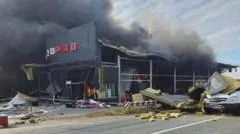
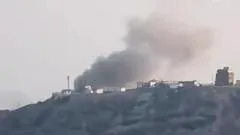
The recent Houthi missile attack targeted the presidential palace in Aden, Yemen's temporary capital. Five ballistic missiles struck the al-Maashiq Palace, killing five people and injuring 16 others. The attack occurred in the context of ongoing conflict between the Saudi-backed Yemeni government and the Iran-supported Houthi rebels. Yemeni Information Minister Moammar al-Eryani confirmed that key government figures, including the prime minister, were unharmed.
Why did the Houthis target the presidential palace?
The Houthis claimed responsibility for the attack, describing it as a strike against "the Saudi enemy's military operations headquarters in Aden." The attack is part of the Houthis' broader strategy to retaliate against Saudi-led coalition forces, who have been conducting air strikes in Houthi-controlled territories. The Houthis have consistently targeted strategic sites in Saudi Arabia and Yemen to undermine the coalition's military efforts.
How has the Yemeni government responded?
Yemeni Prime Minister Shaya Zindani condemned the attack, labeling it "cowardly" and a continuation of the Houthis' "criminal behaviour." Despite the attack, the Yemeni government remains resolute in its operations against the Houthis, particularly along the south-western Red Sea coast. The government has vowed to continue its efforts to regain control of territories lost to the Houthis.
What role do Saudi Arabia and Iran play in the conflict?
Saudi Arabia leads a coalition supporting the Yemeni government, providing air support against the Houthis. The coalition accuses Iran of arming and training the Houthis, a claim Iran denies. Iran maintains that it only offers political support to the Houthis and has expressed willingness to facilitate talks between the Houthis and Saudi Arabia. The involvement of these regional powers has intensified the conflict, complicating efforts for a peaceful resolution.
What are the broader implications of the attack?
The attack on Aden highlights the fragile state of Yemen's security and the ongoing humanitarian crisis. The conflict has resulted in significant casualties and displacement, with over 1,282 deaths and 5,890 injuries reported since August. The UN has noted a surge in suspected cholera cases, exacerbating the humanitarian situation. The attack also underscores the geopolitical tension between Saudi Arabia and Iran, influencing regional stability and global oil prices.
What is the current status of the Yemen conflict?
The Yemen conflict, which began in 2014, has seen various phases of escalation and temporary ceasefires. The recent attack marks a continuation of hostilities following the breakdown of a four-year informal ceasefire. The Houthis' seizure of territories along the Red Sea coast has strategic implications, affecting global shipping routes and contributing to rising oil prices. The conflict remains a focal point of regional and international diplomatic efforts.
Frequently asked questions
Who are the Houthis?
The Houthis are a rebel group from northern Yemen, primarily composed of Zaidi Shia Muslims. They have been engaged in a prolonged conflict with the Yemeni government.
What is the significance of Aden in Yemen?
Aden serves as the temporary capital of Yemen and is the seat of the internationally-recognised government. It is a strategic port city in southern Yemen.
How has the international community responded to the Yemen conflict?
The international community, including the UN, has called for ceasefires and peace talks. Humanitarian aid efforts continue to address the crisis.
What is the impact of the conflict on civilians?
The conflict has led to a severe humanitarian crisis, with widespread displacement, food insecurity, and outbreaks of diseases like cholera.
What are the prospects for peace in Yemen?
Peace prospects remain uncertain, with ongoing hostilities and complex regional dynamics. Diplomatic efforts continue to seek a resolution.
Key takeaways
- The Houthi missile attack on Aden killed five and injured 16, targeting Yemen's presidential palace.
- The attack reflects ongoing tensions between the Saudi-backed Yemeni government and Iran-supported Houthis.
- Saudi Arabia accuses Iran of arming the Houthis, while Iran denies these allegations.
- The conflict has resulted in significant humanitarian challenges, including displacement and disease outbreaks.
- Efforts for peace continue amid complex geopolitical dynamics involving regional powers.