Why are retired US military leaders opposing the execution livestream?
A coalition of 72 retired US military officials, comprising 45 generals, 12 admirals, and several former judge advocates general, has issued an open letter demanding the cancellation of the Pentagon's plan to livestream a death sentence. The signatories argue that while they do not oppose the death penalty itself, the act of broadcasting the execution transforms a solemn legal process into a spectacle. They contend that such 'exploitative broadcasting' debases human dignity and undermines the honor of both the military and the nation.
The core of their argument rests on the preservation of military dignity and the prevention of radicalization. According to the letter, the broadcast would turn what should be a grave punishment into a 'carnival for the enjoyment of voyeurs and spectators.' The officers expressed deep concern that the visual nature of the event would be weaponized by foreign adversaries to incite hatred against American soldiers and citizens.
Constitutional and ethical concerns
The retired officers specifically highlighted that a public execution via livestream could violate the US Constitution's protections against cruel and unusual punishment. By making the death of a human being a digital event for mass consumption, they suggest the state would be engaging in a form of psychological cruelty that exceeds the bounds of justice. This ethical stance is shared by various religious leaders and academics who have joined the chorus of criticism against the Pentagon's announcement.
What is the background of the Nidal Hasan case?
The execution is set for December 3 for Nidal Hasan, an Army psychiatrist responsible for the deadliest non-combat attack on an American military base. During the shooting at Fort Hood, Hasan killed 13 unarmed US military personnel. The attack remains a significant trauma in the history of the US military, representing a profound breach of trust and duty by a commissioned officer.
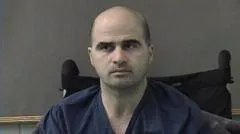
Hasan's motivations were rooted in a radicalized worldview. During his court proceedings, he stated that his actions were intended to protect Muslims and the Taliban in Afghanistan from the US military. Having been shot during the attack itself, Hasan currently uses a wheelchair. The nature of his crime—attacking his own colleagues under the guise of religious protection—is what makes the potential for him to become a 'martyr' through a livestreamed execution particularly alarming to the retired officers.
How has the US government responded to the controversy?
The political response to the livestream plan has been deeply divided, with President Donald Trump initially expressing strong support for the move. According to reports, the President stated he 'absolutely' approved of the plan to show the execution publicly. However, the administration's stance appears to be shifting as internal and external pressures mount.
While the President has signaled his approval, recent reports from CBS News indicate that some administration officials are now leaning against the livestreaming component. As of Tuesday, the President had not reached a final decision on the matter. The decision rests at a high-stakes intersection of political will, military tradition, and constitutional law, with Defence Secretary Pete Hegseth having originally announced the plan last week.
Political and religious opposition
The opposition is not limited to retired military personnel. Lawmakers from both major political parties have voiced criticism, reflecting a bipartisan concern regarding the precedent such a broadcast would set. Furthermore, religious leaders have joined the debate, questioning the morality of a state-sponsored digital spectacle of death. This broad coalition of critics suggests that the Pentagon's plan has moved beyond a military administrative decision into a significant national debate.
Who are the key figures leading the protest?
The letter is signed by several highly distinguished figures whose careers have been defined by military integrity and legal scrutiny. Among the signatories are retired Maj Gen Tony Taguba, who is widely known for leading the investigation into prisoner abuses at Abu Ghraib in Iraq, and retired Air Force Col Moe Davis, a former prosecutor at the Guantanamo Bay detention centre who famously characterized waterboarding as torture.
Other notable signatories include Charles Bolden, a US Marine Corps Major General and former head of NASA, and retired Lt Gen Claudia Kennedy, who made history as the first female three-star general in the US Army. The inclusion of such high-profile figures lends significant weight to the argument that the livestream is not merely a matter of policy, but a matter of fundamental national honor.
What are the potential security implications of the livestream?
A primary concern cited by the retired generals is the risk of stoking international hatred and endangering American personnel. The officers warned that the livestream would be utilized by 'our nation's enemies' to fuel propaganda. By providing high-definition footage of an execution, the US government may inadvertently provide the very content that extremist groups use to justify retaliatory attacks.
The signatories specifically noted that the broadcast would ensure Hasan becomes a martyr. In the context of modern asymmetric warfare, the transition from a criminal perpetrator to a symbolic martyr can have devastating consequences for soldiers deployed abroad. The fear is that the visual impact of the execution will serve as a recruitment tool for those seeking to harm American interests and citizens globally.
FAQ: US execution livestream controversy
Why is the execution being livestreamed?
The Pentagon, through Defence Secretary Pete Hegseth, announced the plan to publicly broadcast the December 3 execution of Nidal Hasan. The goal, as implied by the administration's initial approval, appears to be a form of public accountability or transparency regarding the Fort Hood shooter's punishment.
Who is Nidal Hasan?
Nidal Hasan is a former US Army psychiatrist who carried out the Fort Hood shooting, killing 13 unarmed military personnel. He claimed his actions were motivated by a desire to protect Muslims and the Taliban from the US military. He is currently a wheelchair user following the attack.
What are the constitutional concerns raised?
Retired military leaders argue that livestreaming an execution could violate the US Constitution's prohibition against cruel and unusual punishment. They contend that turning a death sentence into a public spectacle debases human dignity and transforms a legal punishment into a voyeuristic event.
Does the military oppose the death penalty?
No, the retired officers have explicitly stated in their open letter that they do not oppose the carrying out of the death penalty. Their objection is strictly focused on the method of broadcasting the execution rather than the legality of the sentence itself.
What is the current status of the decision?
While President Donald Trump initially approved the livestream plan, the decision is not yet final. Recent reports suggest that some administration officials are reconsidering their position, and a definitive ruling on whether the broadcast will proceed remains pending.
Key takeaways
- 72 retired US military leaders are calling for the cancellation of Nidal Hasan's execution livestream.
- Signatories include 45 generals and 12 admirals, including figures involved in Abu Ghraib and Guantanamo investigations.
- Critics argue the livestream violates constitutional protections against cruel and unusual punishment.
- The group warns the broadcast could turn the Fort Hood shooter into a martyr for enemies of the US.
The impact of digital spectacles on military honor
The debate over the Nidal Hasan execution livestream highlights a growing tension between the desire for transparency and the necessity of maintaining institutional dignity. For the retired officers involved, the issue is not about leniency for a mass killer, but about preventing the state from participating in a digital spectacle that could fuel global instability. As the administration weighs the final decision, the outcome will likely set a significant precedent for how the US government handles high-profile judicial events in the digital age.