Political debates over infrastructure costs
The surge in data centre development is driving new legislative discussions in Washington. A recent proposal suggests that these facilities should be held responsible for covering the additional electricity infrastructure costs they necessitate. This move comes as the industry expands to meet the growing demands of artificial intelligence technology.
President Donald Trump has expressed support for the expansion of these centres, citing the importance of investment and the technological future of the United States. Supporters argue that the growth is essential for maintaining national competitiveness in the global AI race.
Resource concerns in Arizona
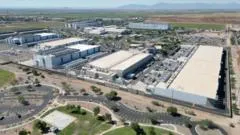
In Arizona, the rapid growth of these facilities has met significant local resistance. The state's attorney general has called for a pause on the approval of new data centres. This request stems from growing concerns regarding the massive demand for electricity and water resources required to operate the sites.
The scale of energy consumption is significant, as the heat generated by a single data centre can exceed the emissions produced by 40,000 households. Local residents living near these large-scale installations are increasingly voicing concerns about the long-term impact on their communities and local utilities.
Impact on upcoming elections
The data centre boom is expected to be a key flashpoint during the upcoming midterm elections. Voters are weighing the economic benefits of technological investment against the practical challenges of resource management and utility stability.
The debate highlights a growing tension between national technological ambitions and the localized needs of states managing high-demand infrastructure projects.