What are the details of the suspicious mailings investigation?
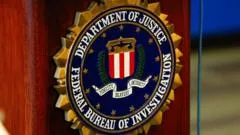
Federal authorities are currently conducting an investigation into a series of mailings containing potentially hazardous and suspicious substances sent to various congressional and state election offices across the United States. The FBI and the United States Postal Inspection Service (USPIS) are working together to trace these items, some of which were intercepted by postal authorities before they could reach their intended recipients.
While federal agencies have declined to provide an exact count of the total number of offices targeted, the scope of the incident is significant. Multiple secretaries of state and various congressional offices have confirmed receiving these packages. The investigation is being treated with high priority due to the timing of the mailings, which coincide with the period immediately preceding the US midterm elections.
Federal agency response and interception efforts
The USPIS and the FBI have issued a joint statement affirming their commitment to safeguarding the public and securing the election process for American citizens. A key component of the current response involves the interception of mail. In several instances, including the case involving the Ohio Secretary of State, the USPIS was able to stop the suspicious packages before they were delivered to the target offices.
Which US senators and offices were targeted?
At least five Democratic senators have been identified as targets of these suspicious mailings. The offices of several high-profile politicians have confirmed they were sent these items, though in most cases, the packages were intercepted prior to delivery.
- California: Senator Alex Padilla's office confirmed receipt of suspicious mail.
- Connecticut: Senator Chris Murphy's office was among those targeted.
- New York: Senator Kirsten Gillibrand's office reported the incident.
- New York: Senator Chuck Schumer was also a recipient, according to reporting by CBS News.
- Delaware: Senator Lisa Blunt Rochester was identified as a target.
Beyond the congressional level, state-level election administration offices have also been affected. The New York State Capitol in Albany and the Wyoming State Capitol in Cheyenne were both reported to have received suspicious packages, according to emergency responder scanner feeds reviewed by the BBC.
How have state election offices responded to the threats?
State election officials have implemented emergency security protocols to manage the arrival of suspicious substances, often involving evacuations and specialized handling procedures. The response varies depending on whether the substance was intercepted or successfully delivered to the office.
In Louisiana, the secretary of state's office was forced to evacuate on Tuesday after a staff member opened a package containing a white powder. However, the office has since reopened following a law enforcement investigation that found no evidence of harmful substances. Similarly, Delaware's Department of Elections reported receiving and opening a letter containing a white powdery substance on Thursday, noting that staff strictly adhered to established security protocols for handling such materials.
Other states have reported similar encounters:
- Oklahoma: The State Election Board confirmed their office received letters containing white powder this week.
- Ohio: Secretary of State Frank LaRose confirmed his office was the intended recipient of a suspicious letter, though the USPIS intercepted it before delivery.
What is the broader context of election security in the US?
The current wave of suspicious mailings follows a pattern of security scares that have historically preceded major US election cycles. These incidents are viewed by many officials as a direct consequence of the heightened political climate in the country.
Senator Alex Padilla commented on the severity of the situation, stating that the incident serves as a "stark reminder of the very real danger facing those who serve the public and who help administer our elections in the face of increasingly hostile political rhetoric." This sentiment reflects a growing concern among election administrators regarding the physical safety of personnel tasked with maintaining democratic processes.
Historical precedents of mail-based threats
This is not the first time election offices have faced such threats. A year ago, a similar wave of suspicious envelopes was reported, with some of those packages being laced with fentanyl. These previous incidents targeted at least five different states, demonstrating that mail-based interference has become a recurring tactic used to disrupt election administration and intimidate officials.
Frequently asked questions
What substances were found in the letters?
Most reports have identified a white powdery substance within the suspicious mailings. While some packages were intercepted, others were opened by staff, leading to immediate security protocols and, in some cases, office evacuations while law enforcement investigated the potential toxicity of the powder.
Were there any injuries reported from the mailings?
As of the current reports, no injuries have been confirmed. Although the Louisiana secretary of state's office had to be evacuated after a staff member opened a package, law enforcement found no evidence of harmful substances, and the office was able to reopen shortly after.
Who is investigating these suspicious mailings?
The investigation is being led by federal authorities, specifically the FBI and the United States Postal Inspection Service (USPIS). These agencies are working in coordination to trace the origin of the mailings and ensure the security of the election process.
How many senators were targeted by these letters?
At least five Democratic senators have been confirmed as targets. These include senators from California, Connecticut, New York, and Delaware. In many of these instances, the suspicious mail was intercepted by postal authorities before it could be delivered to the offices.
Does this affect the upcoming midterm elections?
While the mailings are intended to disrupt or intimidate, federal agencies have stated they are working to secure the elections. The incidents occur just weeks before the midterm elections, which will determine the balance of power in the US Congress.
Key takeaways
- Federal authorities are investigating suspicious mailings containing white powder sent to US election offices.
- At least five Democratic senators, including Chuck Schumer and Alex Padilla, were targeted.
- The FBI and USPIS are leading the investigation to trace the origins of the mail.
- Incidents include office evacuations, such as in Louisiana, though no harm was found.
- These threats follow similar incidents from the previous year involving fentanyl-laced envelopes.
Conclusion
The surge in suspicious mailings targeting US senators and election officials highlights a persistent security challenge facing the American electoral system. As federal agencies like the FBI and USPIS work to trace these hazardous substances, the incidents underscore the vulnerability of election administrators to political hostility. While many packages have been intercepted, the psychological and operational impact on state and federal offices remains significant. As the midterm elections approach, the ability of authorities to maintain secure environments for election officials will be critical in ensuring the stability of the democratic process.