Why was Imran Khan ordered to leave India?
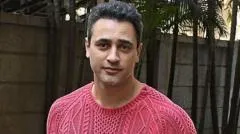
Imran Khan, a prominent actor and nephew of Bollywood star Aamir Khan, has been ordered by Indian authorities to leave the country by 28 October. This order follows his participation in a protest held at Mumbai's August Kranti Maidan on 10 October. The demonstration was organized by the Cockroach Janta Party (CJP), a GenZ-led movement that has been conducting widespread protests seeking electoral reforms and the resignation of India's top election official, Chief Election Commissioner Gyanesh Kumar.
The police stated that Khan participated in the agitation specifically demanding the resignation of Kumar. Following the protest, Khan was briefly detained by the police alongside other demonstrators. The Foreigners' Regional Registration Office (FRRO) has served Khan a notice, alleging that he violated laws by participating in the protest. The police emphasized that Khan participated in the agitation despite not being an Indian citizen, a point central to the government's decision to mandate his departure.
What is the significance of the OCI card in this context?
Imran Khan is an American citizen who holds an Overseas Citizen of India (OCI) card. This status is designed to allow people of Indian origin to visit and stay in the country. However, the OCI status comes with specific legal limitations: holders are not permitted to vote or contest elections in India. The current legal dispute hinges on whether the right to participate in a protest falls within the permissible activities for an OCI cardholder.
The police's stance is that Khan's participation in the agitation constituted a violation of the laws governing his residency and status. While the OCI card provides significant privileges regarding movement and residence, the authorities have interpreted his involvement in a political agitation as a breach of the conditions of his stay. This distinction between the right to reside and the right to engage in political demonstrations is at the heart of the current legal standoff.
What are the legal arguments surrounding Khan's case?
Khan's legal team has signaled their intention to challenge the departure order in the Bombay High Court. The central argument from the defense is that no existing provision of the law or any specific rule for OCI cardholders prohibits them from participating in a protest. The lawyer for the actor maintains that his presence at the August Kranti Maidan did not violate the legal framework governing his status.
The Press Trust of India reports that Khan's petition against the Mumbai police notice has characterized the order as "drastic." Khan himself addressed the situation by speaking to reporters, clarifying his motivations. He stated, "I don't have demands. I'm here as a citizen, as a person who lives in this city. I'm here to see why freedom of movement is being restricted, why people's voices are being suppressed." He further clarified that he did not attend the protest as a representative of any specific organization. The legal battle will likely focus on whether the FRRO's interpretation of "protest" as a violation of OCI status is legally sound or an overreach of authority.
How has the public and political response unfolded?
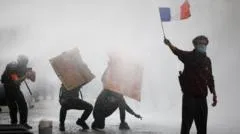
The controversy surrounding Khan is embedded in a much larger wave of civil unrest. The Cockroach Janta Party (CJP) has led a wider GenZ-led movement that has seen thousands of protesters marching in Delhi, Mumbai, and other parts of India. These demonstrations are driven by allegations of vote fraud, though India's poll panel has denied these charges. The movement has gained significant political momentum, with leaders of many of India's main opposition parties, including Congress MP Rahul Gandhi, leading marches from Connaught Place to the Supreme Court in Delhi.
The political response has been sharply divided. Kirit Somaiya, a leader of the governing Bharatiya Janata Party (BJP), lodged the complaint against Khan, accusing the actor of being "involved in a conspiracy to spread anarchy in India." Conversely, the public response on social media has been notable; after being detained, Khan posted a photo of himself in a police detention van on Instagram with the caption, "Apparently I'm going for a drive." The post garnered more than two million likes, reflecting a significant level of public engagement with his situation.
The tension remains high as the movement continues. On Wednesday, the stakes were raised when two top CJP leaders were sent to jail for five days following arrests for allegedly trespassing at a protest site in Delhi. This backdrop of arrests and large-scale marches provides a volatile context for Khan's legal challenge.
What are the potential outcomes for Imran Khan?
The immediate future for Imran Khan depends on the ruling of the Bombay High Court. If the court finds that the OCI regulations do not explicitly prohibit protest participation, the order to leave may be overturned, allowing him to remain in India. Such a ruling would provide a degree of legal clarity for the millions of OCI cardholders worldwide regarding their rights to engage in civic expression while visiting India.
If the court upholds the FRRO's notice, Khan will be required to leave the country by 28 October. This would have significant implications for his professional life. Khan is currently in the midst of a career resurgence, returning to acting this year with the Netflix film Adhure Hum Adhure Tum after a hiatus of more than a decade. His filmography includes notable roles in Jaane Tu... Ya Jaane Na, I Hate Luv Storys, Mere Brother Ki Dulhan, and Delhi Belly, as well as appearances as a child actor in Qayamat Se Qayamat Tak and Jo Jeeta Wohi Sikandar. An enforced departure could disrupt his ongoing projects and his ability to work within the Indian film industry.
Frequently asked questions
What is an OCI card?
An Overseas Citizen of India (OCI) card allows individuals of Indian origin to visit and reside in India, but it does not grant them the right to vote or contest elections.
Why is Imran Khan being asked to leave India?
The Foreigners' Regional Registration Office (FRRO) issued a notice for Khan to leave by 28 October because he participated in a protest in Mumbai, which authorities claim violated laws pertaining to his OCI status.
Can OCI cardholders participate in protests in India?
While the police claim his participation was a violation, Khan's lawyer argues that no specific law or rule for OCI cardholders prohibits them from participating in protests.
What is the Cockroach Janta Party?
The Cockroach Janta Party (CJP) is a GenZ-led movement that has been organizing demonstrations across India to demand electoral reforms and the resignation of Chief Election Commissioner Gyanesh Kumar.
What are the implications of this case for OCI cardholders?
The outcome of Khan's challenge in the Bombay High Court could set a precedent regarding the legal boundaries for OCI cardholders participating in political or civic activities in India.
Key takeaways
- Actor Imran Khan has been ordered to leave India by 28 October following his participation in a Mumbai protest.
- The legal dispute centers on whether OCI cardholders are permitted to participate in political demonstrations.
- The protest was part of a larger GenZ-led movement by the Cockroach Janta Party (CJP) seeking electoral reforms.
- Khan's legal team is challenging the FRRO notice in the Bombay High Court, calling the order "drastic."
- The case occurs amidst widespread protests and political tension involving major opposition leaders and the BJP.